About Us

What is Plow to Porch Organics?

Plow to Porch is an Organic Produce Delivery Service and More!

Our mission is to simplify the purchase of local fresh organic* produce and other organic, local foods in order to inspire good nutrition, support local farmers, protect our environment and make eating healthy food fun!

Community "members" subscribe to a weekly box of produce from local farms and extras like local organic honey, local organic eggs, local organic pies and quiches, organic fair trade coffees, local organic olive oils, local sustainable fresh fish and more delivered conveniently to their door or a designated drop off spot each Tuesday, Wednesday, Thursday or by special arrangement. It's like bringing the Farmer's Market directly to you.

*Unsprayed, pesticide free produce is also included at times. This produce is like much of what you find at the Farmer's Market, it is pesticide free, but has been grown using commercial fertilizers.

How does it work?

Plow to Porch Organics delivers fresh, seasonal produce and our "extras" weekly. The produce in the box mirrors the
seasonal availability of our local farms and varies from week to week. Each Plow to Porch box is accompanied by tips and recipes. Our Plow to Porch email newsletter is sent monthly. Each week your box is delivered to your home, business, school or to a designated delivery site by special arrangement and we swap your box full of produce for last week's empty one. Please contact us directly at mail@plowtoporch.com or 705-4786 for further information or if you would like to be put on our weekly delivery.

Weekly Produce Boxes:

What is in the box?

We offer 3 types of produce boxes:

  • Small Box: Vegetables and fruit for a small family or for one produce "lover"for one week. Usually 3-4 fruits and 5-6 vegetables.
  • Family Box: Vegetables and fruit for a family of four for one week. Increased quantity of 3-4 items in Small Box and an extra head of lettuce.
  • Value Box: Vegetables and fruits for a large family or for serious produce lovers! Equivalent of 2 Small Produce Boxes.

How much does it cost?

  • Small Box: $35.00/week
  • Family Box: $45.00/week
  • Value Box: $60.00/week

Plow to Porch Organics also offers the best in fresh local organic "extras". We now have:

-1 dozen Organic Eggs delivered the 1st and the 3rd weeks of the month for $10.00/month or $5.00/week

-8 oz Organic Wildflower or Orange Blossom Honey for $7.00

-A variety of local organic pies, cheesecakes, and quiches (see this month's selection below) delivered as ordered on our delivery days from Simply Pies. Prices range from $7.00-$25.00.


-Fair Trade Organic Coffees all roasted locally by Green Star Coffee (see varieties below):
$13.00/lb

-Joelle Olive Oils (see selections below) produced by a local Goleta family: 375 ml: $16.00, 750 ml value: $27.00

-Local Sustainable Seafood from Cadena's Fresh Fish (email mail@plowtoporch.com for weekly availability)

You pay for a Small Box, Family Box or Value Box on a monthly basis with whatever organic "extras" you would like to order

  • Monthly (based on 4 or 5 deliveries depending on the month):

Delivery Areas and Days:

We now deliver to homes, businesses, schools and designated drop off spots in Santa Barbara, Goleta, Montecito, Carpinteria and to Ventura, Solvang, Santa Ynez and Buellton with an additional delivery fee. Other possible days and designated delivery sites are always considered.


There is a $3/weekly fee for delivery to Ventura, Solvang, Santa Ynez and Buellton and a $5.00 one time delivery box fee for every customer.


Why Subscribe to Plow to Porch Organics?

Plow to Porch Organics introduces you to new varieties of seasonal produce and foods. Products are seasonally grown, letting nature tell us what our bodies require. You will receive the best local produce and foods at the best price without having to leave your home.

You help support biodiversity, clean air and a sense of social responsibility and stewardship of land. You will know your farmer. By participating in Plow to Porch Organics you are supporting your community and contributing to healthy living for both your family and our planet.

You receive a reliable source of fresh and fully nutritional food items, grown or produced chemically and genetically modified free. We deliver most produce within 24 hours of harvest, assuring your food will be nutritious and delicious. All other extras are delivered fresh as well. The average food item in supermarkets has traveled 1500 miles since harvest. Even local produce may be shipped to central warehouse facilities before it arrives in your grocery store. More information accumulates daily linking health to diet and the quality and freshness of the food we eat.
Sign Up

When you have decided on your choice of produce box and extras-

1) Email us at mail@plowtoporch.com with your name, address, phone number, produce box selection and whether you would like to add on organic extras

2) Where you want your produce box to be left then...

3) You will receive a confirmation email with further details and your first month's balance due. Send your first monthly payment to: Plow to Porch Organics, P.O. Box 2514, Santa Barbara, CA. 93101. If you need to cancel a week, please do so the Saturday before the next week's delivery as we have to order from our farmers early. The payment wil be applied to the next month.

Thereafter,you will receive an invoice by email at the beginning of the month for that month. Please make out your check to Plow to Porch Organics and leave it in your empty box for us to pick up the following week or mail it to Plow to Porch Organics, PO Box 2514, Santa Barbara, CA 93101. Please check the invoices carefully and let us know if you have any questions.

If you are interested or have any questions, please email us at
mail@plowtoporch.com or call 705-4786.

Just imagine the convenience of home delivery and the freedom of not planning fresh organic produce and other foods for your family each week. What would you do with a few extra hours each week? Instead of sitting in traffic, fighting for parking, and standing in line in the grocery store, you can take that time and play with your kids, cook a delicious healthy meal, exercise, or simply relax...
This Week's Recipe:
Kale and Butternut Squash Gratin
The Washington Post, November 19, 2008
Holiday (Thanksgiving), Make-Ahead Recipes
Summary:
This is a creamy and rich way to treat fall's deeply colored vegetables.
MAKE AHEAD: This dish may be assembled up to 2 days ahead. On serving day, remove it from the refrigerator and let it come to room temperature. Bake as directed.
8 to 10 servings
Ingredients:
2 medium butternut squash (about 3 pounds), cut in half and seeded
2 tablespoons canola oil
8 ounces kale (stems trimmed and large ribs removed), rinsed and cut into thin slices
4 medium cloves garlic, minced
Coarse salt
Freshly ground black pepper
1/2 teaspoon freshly grated nutmeg
Pinch allspice
Leaves from 4 sprigs of thyme, coarsely chopped
1 1/2 cups heavy cream
3 tablespoons panko (Japanese) bread crumbs
2/3 cup freshly grated Parmigiano-Reggiano cheese
Directions:
-Preheat the oven to 400 degrees. Use butter to lightly grease a large (2 1/2-quart) gratin dish.
-Peel the squash, then cut it crosswise into 1/4-inch-thick slices.
-Heat the oil in a large skillet over medium-high heat. Add the kale, still slightly damp, and cook, stirring occasionally, for about 3 minutes, until it has wilted. Add the garlic and cook, stirring, for 45 to 60 seconds, until it is fragrant. Place half of the sliced squash in the prepared gratin dish; season with salt and pepper to taste.
-Combine the nutmeg, allspice and thyme in a small bowl.Place the kale over the squash and sprinkle with half of the nutmeg-thyme mixture. Top with the remaining squash and sprinkle with the remaining nutmeg-thyme mixture.Pour the cream over the vegetables; cover the gratin dish tightly with aluminum foil. -Bake for about 45 minutes, until tender.
-While the vegetables are baking, combine the panko bread crumbs and Parmigiano-Reggiano cheese in a small bowl.
-Reduce the oven temperature to 375 degrees. Discard the foil from the gratin dish and use a spatula to press down on the mixture. Sprinkle the bread crumb-cheese mixture over the vegetables. Return to the oven and bake, uncovered, for about 10 minutes, until golden brown. Transfer to a wire rack to cool for at least 10 minutes before serving.

Weekly Produce and Extras

November 10,11,12, 2009

Small Box

6 Pink Lady apples*

2 pints strawberries

1 lb red grapes*

1 head Romaine lettuce

2 lb large slicer tomatoes*

1 bunch sweet carrots with tops

1 lb green beans*

2 butternut squash

1 bunch lacinto kale

1 bunch thyme

Family Box
Increased amts. of the items w/ asterisk and 1 head cauliflower

Value Box
Equivalent of 2 Small boxes

Extras

-Organic Eggs

-Organic Honey (Wildflower and Orange Blossom) -Simply Pies Organic Pies, Cheesecakes and Quiches
-Green Star Organic Fair Trade Coffees -Caribbean Coffee Organic Fair Trade Coffees
-Joelle Olive Oils

-Cadena's Fresh Local Sustainable Seafood


Produce quantities are approximations and items may be altered

__________________________________________________________________

Pies and Quiches

Simply Pies - October

Pies:
Blackberry
Blueberry
Mixed berry
Apple

Quiche:
Southwest Quiche

Cheesecakes (large size only):
Plain N.Y. Style

As we continue to refine this process, we would like to have
orders in to us the Friday before the week the orders are to be filled so we have sufficient time to gather the ingredients and process the orders.

PIE (large serves 8-10; small 4)

9 in. $21.00
6 in. $13.00

CHEESECAKES (large serves 8-10; small 2-3)

8 in. $28.00

QUICHES (large serves 6-8; small 2)

9 in. Quiche $26.00
6 in. Quiche $10.00

_________________________________________________________________

Coffees

We are very excited to announce that we have teamed up with Green Star Coffee (www.greenstarcoffee.com), a local Fair Trade, Organic Coffee Company located here in Santa Barbara to add wonderful coffees to our list of extras that you can order from Plow to Porch.

Certified Organic Fair Trade Ethiopian Yirgacheffe $13.00/lb

This washed bean is bright and sweet with an unmistakable floral aroma. In the 2005 ECAFE Competition, Yirgacheffe received 1st and 2nd place awards. Of the twenty-five honors at this year’s competition, Yirgacheffe took twelve. Also, Yirgacheffe was named 2nd best African coffee at the Cupping Pavilion of SCAA 2005 and received the International Gold Award in 2007 from BID, Paris.

Bird Friendly Certified Organic Fair Trade Peru $13.00/lb

Their Certified Organic Fair Trade Peruvian Coffee has a mild intensity and often times a peppery taste comes through in the medium roast. This coffee is also Certified Bird Friendly by the Smithsonian Institute. As a Member of the SMBC research and conservation program, Green Star Coffee contributes 25 cents per pound to ensure that coffee plantations remain a healthy haven for birds and other wildlife while providing the best coffees available.

Certified Organic Fair Trade Green Star Italian Roast $13.00/lb

Their hallmark coffee: slightly smoky but sweet, this sophisticated coffee is the perfect anytime coffee.

Certified Organic Fair Trade Paradiso Blend $13.00/lb

Ideal for any occasion, this blend of their Morning Star and Italian Roast yields a luxurious, deep cup with an exotic texture.

Certified Organic Fair Trade Espresso $13.00/lb
Created from the finest Certified Organic and Fair Trade coffee, this masterpiece blend is the most versatile coffee they offer; perfect for espresso, caffè latte, or as a uniquely smooth brewed coffee.

Decaf Coffees

Certified Organic Fair Trade SWP Decaf Colombian Supremo $13.00/lb

Their Organic FT SWP Decaf Colombian Supremo is an exceptional coffee...one that will leave you saying "I can’t believe that was decaf!"
The SWISS WATER Process is a 100% chemical free coffee decaffeination process that results in great-tasting decaf. Most other processes use chemical solvents, like methylene chloride, to decaffeinate coffee beans. Conversely, the SWISS WATER Process uses only water when removing caffeine, producing water processed decaf coffee.

Half Decaf / Half Regular Coffee
50% FT Organic Italian / 50% SWP FT Decaf Blend $13.00/lb

Half Regular, Half Decaf! They blend our hallmark coffee, Certified Organic Fair Trade Italian Roast with Certified Organic Fair Trade Swiss Water Process Decaf for this amazing coffee with half the caffeine. The SWISS WATER Process is a 100% chemical free coffee decaffeination process that results in great-tasting decaf. Most other processes use chemical solvents, like methylene chloride, to decaffeinate coffee beans. Conversely, the SWISS WATER Process uses only water when removing caffeine, producing water processed decaf coffee.
__________________________________________________________________
Joelle Olive Oils, Produced by a Local Goleta Family

Award winning in international competitions, all of Joëlle Olive Oils are unfiltered, extra virgin, and date-stamped for year of production. All of our bottles are clear glass so that the beautiful golden color of the oil can be seen.

Mission
This is the same variety of olive that was brought to California by the Franciscans and is now found lining the streets in many cities along the California coast. Mission olive oil is the most classic in flavor with mild, buttery, almost sweet attributes. It has multipurpose uses and can substitute whenever a recipe calls for vegetable oil, as in cake mixes. Does not overwhelm whatever you’re cooking, but rather enhances flavors and gives foods a richer taste. Joëlle Mission olive oil won silver at 2008 competitions and is Nonni’s favorite.

375 ml: $16.00, 750 ml value: $27.00

Mission/Manzanillo Blend
A lovely marriage of the more spicy Manzanillo and the more buttery, mellow Mission oils. This is a hit with everyone! Excellent for frying chicken or fish, lovely in salads, drizzled on vegetables, and altogether delicious for dipping with crusty bread. Also a silver medal winner in 2008 competitions. Their best seller and Janet’s favorite.

375 ml: $16.00, 750 ml value: $27.00


Year Round Produce Availability Guide:

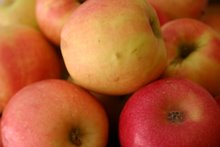
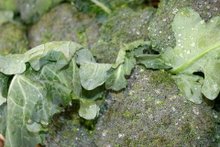
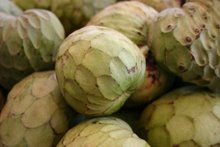
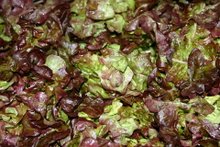
See what is growing now and in the seasons to come. Produce is subject to change due to Mother Nature. All items may not be listed. (Currently not shown on the list, but seasonally available: artichokes, asparagus, avocados, cauliflower, cherimoyas, fava beans, oranges, red onion). See our
fruits, vegetables, and greens, below.
Local Organic Growers

John Givens Farm, Goleta
Lane Farms, Goleta
Roots Farm, Los Olivos
Tom Shepherd, (salad mix and spinach)
Chavez Family Farm, Santa Maria
Mud Creek Ranch, Filmore
Friends Ranches, Ojai
Rancho Cortez, Santa Maria
Mill Road Orchard (apples) Paso Robles
Ojai Valley Sprouts, Ojai
Tutti Frutti Farm, Lompoc
Mallard Lake Ranch (kiwi), nipomo
San Marcos Farms (honey)

Family Ranch, Lompoc
Amapola Ranch, Goleta
FAQS

What is Organic?

Simply stated, organic produce and other ingredients are grown without the use of pesticides, synthetic fertilizers, sewage sludge, genetically modified organisms, or ionizing radiation. Animals that produce meat, poultry, eggs, and dairy products do not take antibiotics or growth hormones. The USDA National Organic Program (NOP) defines organic as follows:Organic food is produced by farmers who emphasize the use of renewable resources and the conservation of soil and water to enhance environmental quality for future generations. Organic meat, poultry, eggs, and dairy products come from animals that are given no antibiotics or growth hormones. Organic food is produced without using most conventional pesticides; fertilizers made with synthetic ingredients or sewage sludge; bioengineering; or ionizing radiation. Before a product can be labeled "organic," a Government-approved certifier inspects the farm where the food is grown to make sure the farmer is following all the rules necessary to meet USDA organic standards. Companies that handle or process organic food before it gets to your local supermarket or restaurant must be certified, too.
www.organic.org

What is Locally Grown?

Locally grown is a less definitive term, some say it applies only to foods grown within a 100-mile radius, others stretch it to 250-miles, and one pioneer of the movement defines it as food grown within a "day's leisurely drive from your home."

It also usually means seasonal food from small farms, as opposed to the massive agribusinesses where most supermarket food comes from. Modification and irradiation are off limits.

Keep in mind that many local farmers do NOT use pesticides....however, they can't advertise themselves as certified organic because it's a long and expensive process for certification. Therefore, if you'd like to support your local farmers (and organic matters to you), ask local farmers about their farming methods, you may be pleasantly surprised with the answers.

Why Buy Local?

Locally grown equals maximum nutrition. Freshly harvested produce has nutrients that are depleted during transportation and storage. The average grocery store vegetable travels 1500 miles and is a week old.

Variety. Many of the best tasting fruits and vegetables are too tender to withstand shipping and handling.

Assurance of farm practices. Much of the produce imported into our country has been treated with chemicals that are banned or unregulated in the U.S. Meat, poultry and dairy products when raised locally using sustainable practices eliminate the use of hormones and antibiotics. When you buy from local farmers questions about farming techniques can usually be answered reliably.

Local farmer support. Marketing directly to consumers allows small farms to capture a greater percentage of profit, making it possible to survive. Ensuring the economic viability of the farmland makes it less vulnerable to development.

Supporting the local economy. By spending your dollars in the community your money remains cycling within the local economy.

Direct environmental effects. Buying local reduces the amount of fossil fuels used for transportation and the packaging required for shipping. When farms use environmentally friendly practices, your produce does not pollute the soil and ground water as it grows.

Where else does your food dollar pay for guaranteed freshness, flavorful variety, maximum nutrition, environmental protection, farmland preservation and support of the local economy?
http://www.farmersfreshproduce.com/

Why Should You Care About Pesticides?

There is growing consensus in the scientific community that small doses of pesticides and other chemicals can adversely affect people, especially during vulnerable periods of fetal development and childhood when exposures can have long lasting effects. The toxic effects of pesticides are worrisome, not well understood, or in some cases completely unstudied, shoppers are wise to minimize exposure to pesticides whenever possible.

Will Washing and Peeling Help?

While washing and rinsing fresh produce may reduce levels of some pesticides, it does not eliminate them. Peeling also reduces exposures, but valuable nutrients often go down the drain with the peel. The best option is to eat a varied diet, wash all produce, and choose organic when possible to reduce exposure to potentially harmful chemicals.

When Should You Buy Organic?

If you're concerned about food safety, you probably already choose organic produce. But if you can't always buy organic, you can still dramatically lower your family's exposure to chemical pesticides by choosing the least pesticide-contaminated fruits and vegetables with the Shopper's Guide to Pesticides in Produce.

What is Produce Pesticide Load?

Produce Pesticide Load is the level of toxic pesticides on produce. The produce ranking was developed by analysts at the not-for-profit Environmental Working Group (EWG) based on the results of nearly 43,000 tests for pesticides on produce collected by the U.S. Department of Agriculture and the U.S. Food and Drug Administration between 2000 and 2004. A full list of fresh fruits and vegetables that have been tested is included below.

EWG is a not-for-profit environmental research organization dedicated to improving public health and protecting the environment by reducing pollution in air, water and food. For more information please visit
http://www.ewg.org/.

What are the Top Toxic Loaded Produce?

EWG's computer analysis found that consumers could cut their pesticide exposure by almost 90 percent by avoiding the most contaminated fruits and vegetables and eating the least contaminated instead.

Eating the 12 most contaminated fruits and vegetables will expose a person to about 15 pesticides a day, on average. Eating the 12 least contaminated will expose a person to fewer than two pesticides a day.

"Federal produce tests tell us that some fruits and vegetables are so likely to be contaminated with pesticides that you should always buy them organic," said Richard Wiles, EWG's senior vice president. "Others are so consistently clean that you can eat them with less concern.

EWG's analysis of federal testing data found:

• Peaches and apples topped the Dirty Dozen list. Almost 97 percent of peaches tested positive for pesticides, and almost 87 percent had two or more pesticide residues. About 92 percent of apples tested positive, and 79 percent had two or more pesticides. The rest of the Dirty Dozen include sweet bell peppers, celery, nectarines, strawberries, cherries, pears, imported grapes,
spinach, lettuce, and potatoes.

• Onions, avocados, and sweet corn headed the Consistently Clean list. For all three foods, more than 90 percent of the samples tested had no detectable pesticide residues. Others on the Consistently Clean list include pineapples, mango, asparagus, sweet peas, kiwi, bananas, cabbage, broccoli, and papaya.

The Full List- Highest to Lowest Pesticide Load of 43 Fruits & Veggies:

Peaches (highestpesticideload), Apples, Sweet Bell Peppers, Celery, Nectarines, Strawberries, Cherries, Pears, Grapes - Imported, Spinach, Lettuce, Potatoes, Carrots, Green Beans, Hot Peppers, Cucumbers, Raspberries, Plums, Grapes - Domestic, Oranges, Grapefruit, Tangerine, Mushrooms, Cantaloupe, Honeydew Melon, Tomatoes, Sweet Potatoes, Watermelon, Winter Squash, Cauliflower, Blueberries, Papaya, Broccoli, Cabbage, Bananas, Kiwi, Sweet peas - frozen, Asparagus, Mango, Pineapples, Sweet Corn – frozen, Avocado, Onions (lowest pesticide load)

Note: There are a total of 43 different fruits and vegetables but grapes are listed twice because of both domestic and imported samples.